









Jeb is a zookeeper. He loves his job!
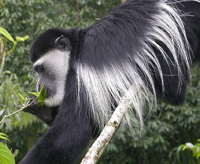
Colobus Monkey (Colobus guereza) CITES ll
Colobus monkeys live in the forests of Central Africa. They are threatened due to habitat encroachment by human expansion, the destruction of forests, and over-hunting. Colobus fur coats were the rage in the 1920’s and 30’s and are sold even today in Africa, although they are not used in traditional costumes.
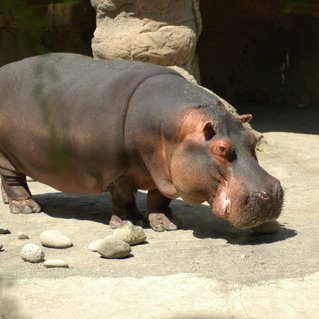
Hippopotamus (Hippopotamus amphibius) CITES ll
The most recent population estimates suggest that over the past 10 years there has been a 7-20 percent decline in common Hippo populations. Over three generations (approximately 30 years), it is likely that population reductions will exceed a 30 percent decline due to human encroachment and poaching for meat, fat, hides, and ivory.
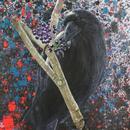
Endemic Hawaiian Bird Life ~ Endangered
The Hawaiian archipelago is the most remote island group in the world with 70 million years of plant and animal development in isolation. Hawaii was home to a rich diversity of bird species, including some of the most rare, beautiful and interesting birds on Earth. Unfortunately all of them have been in serious decline for the last thousand years due to human intervention, habitat destruction, fragmentation and deforestation, feral pigs and avian disease from introduced mosquitoes. Out of 71 families of Hawaiian birds, 23 are extinct and 30 of the remaining 48 are listed as threatened, endangered or critically endangered by the United States Wildlife Service.
THE ENDANGERED ONES
Status of the The Evolving List of 36 Species Featured in the Rama Exhibition
The cutting of primeval forest and other disasters, fueled by the demands of growing human populations, are the overriding threat to biological diversity everywhere.
 --E. O. Wilson, biologist, 1992
The most comprehensive assessment of the world’s mammals confirms that we face an extinction crisis, with almost one in four mammals at risk of disappearing forever. We must act now to bring these species back from the brink of extinction.
The following is an evolving list of the 36 species in The Rama Exhibition.
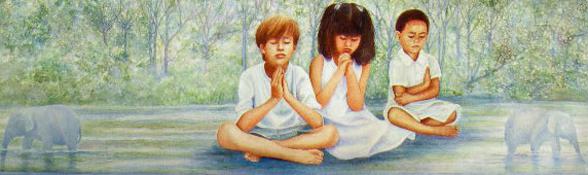
All the darkness in the world cannot extinguish the light of a single candle.
--St. Francis of Assisi, patron saint of animals and the environment
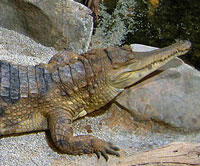
African Slender-Snouted Crocodile (Crocodylus cataphractus) Endangered, CITES l
Distributed widely through Central and West Africa, their population is declining mainly due to illegal hunting for their skins, although subsistence hunting and habitat destruction have accelerated the process.
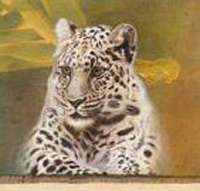
Amur Leopard (Panthera pardus orientalis) Endangered, CITES l
The population of the Amur leopard is estimated at approximately 40 mature males. The Russian range of this species shrank by nearly 80 percent between the years 1970-1983. The remaining population is in serious decline.
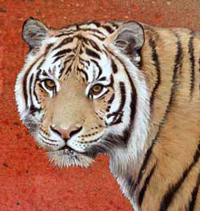
Amur Tiger (Panthera tigris altaica) Endangered, CITES l
The Amur tiger’s effective population size is estimated at approximately 250 mature individuals, with a declining trend, and with no sub-population containing more than 50 mature individuals. Only 20percent of the Russian tiger population is found in protected areas.
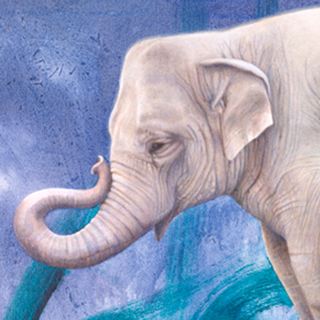
Asian Elephant (Elephas maximus) Endangered, CITES l
Listed as endangered since 1986 due to habitat losses and poaching for the ivory trade. There are many conservation efforts under way. Elephants are protected internationally against poaching and trading.
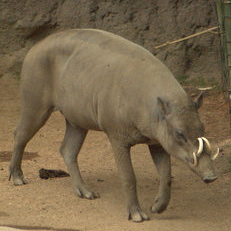
Babirusa (Babyrousa babyrussa celebensis) Endangered, CITES l
Native to Sulawesi, Togian Sula, and Buru Islands in Indonesia, these rare pigs are critically endangered due to hunting and habitat loss, with habitat loss due to development in forests near rivers and streams.
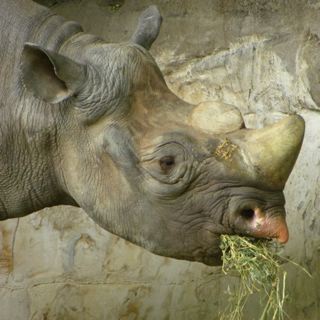
Black Rhinoceros (Diceros bicornis michaeli) Endangered, CITES l
The population of black rhino has declined 90percent over the last sixty years, reaching a low of 2,410 in 1995. However, since then, numbers have steadily increased to reach 3,100 by 2001. The main threat is poaching for the animal’s horn for the ivory trade.
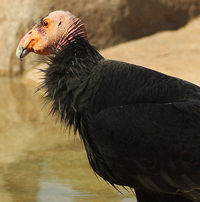
California Condor (Gymnogyps californianus) Endangered, CITES l
After removal of all surviving birds into captivity in 1987, an intensive conservation program involving reintroduction and release of captive-bred birds has led to a tiny but increasing population of the species in the wild. The Oregon Zoo houses one of four captive breeding populations, coordinated by the U.S. Fish and Wildlife Service.
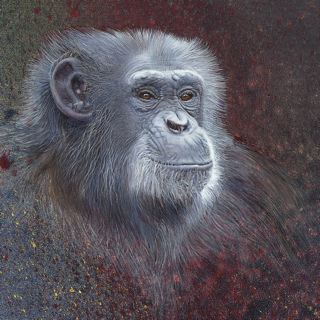
Chimpanzee (Pan troglodytes) Endangered, CITES l
Chimpanzees have had significant declines in population over the past 30 years and are expected to continue declining due to high levels of exploitation (bushmeat trade), loss of habitat, and habitat fragmentation due to expanding human activities.
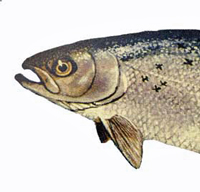
Chinook Salmon (Oncorhynchus tshawytsch) Threatened and some populations Endangered
Known also as King Salmon, native to the Pacific Ocean from San Francisco northwest to Alaska, Chinooks are threatened by water shortage as a result of water diversion for dams and agricultural water use, warming water due to climate change, loss of riparian canopy, unsustainable fishing practices, and an imbalance in predator populations.
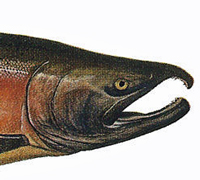
Coho Salmon (Oncorhynchus kisutch) Threatened and some populations Endangered
Threatened along the Oregon and California coastal zone, Coho face grave threats to their freshwater habitats. Coho habitat has been severely degraded over the past century, due to poor land use practices (such as mining, livestock grazing, and lumber operations) and climate change resulting in rising water temperatures, increased river siltation from erosion, low water flows, and a lack of habitat complexity in historic Coho streams.
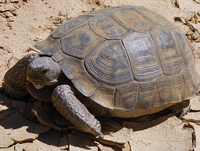
Desert Tortoise (Gopherus agassizii) Threatened, CITES ll
Desert Tortoise populations have declined more than 90percent since the 1980’s due to URDS – upper respiratory disease syndrome, illegal pet trade, urban expansion on desert lands, and cattle grazing which has destroyed their habitat and increased the numbers of ravens, the primary predator of hatchlings. Federal, state, and local wildlife agencies have conservation programs to help with their recovery. It is unlawful to touch, harm, or harass a wild Desert Tortoise.
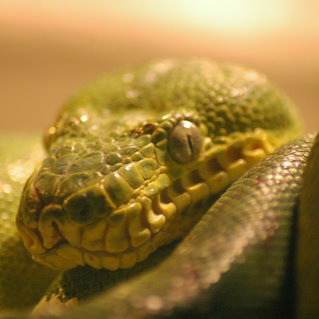
Emerald Tree Boa (Corallus caninus) CITES ll
These arboreal snakes are not listed as endangered, but their tropical lowland rain forest habitats in South America are rapidly disappearing due to agricultural use and logging. Tree boas are still collected for the illegal pet trade.
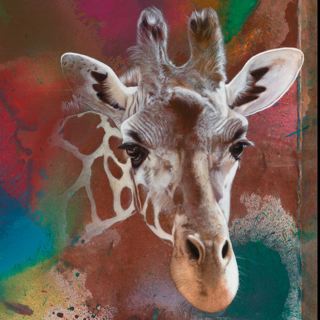
Giraffe (Giraffa camelopardalis)
Preliminary population estimates suggest a decline in the total population has taken place, which if sustained could mean the species will warrant listing in a higher category of threat. Efforts are currently underway to census giraffe populations more accurately, which will enable a more thorough determination of the conservation status of species.
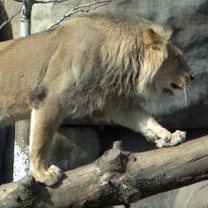
Lion (Panthera leo) CITES ll
An estimated species population reduction of approximately 50 percent since the 1970’s, primarily the result of hunting, poaching, and indiscriminate killing in defense of humans and livestock, prey depletion, and diseases from domestic animals.
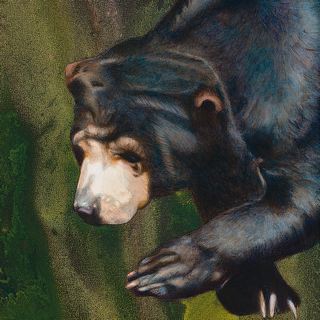
Malayan Sun Bear (Helarctos malayanus) CITES l
Although the quantitative data on population sizes or trends are lacking, it is suspected that the global population of Sun Bears has declined by over 30 percent over the past 30 years. Sun Bear numbers have been reduced by habitat destruction, Asian pet trade, and uncontrolled exploitation for body parts in Asia. They have also been found on bear ‘bile farms’ under inhumane conditions.
Mandrill (Mandrillus sphinx) Endangered, CITES l
Found in tropical rainforests in Africa, these primates are in drastic decline across their range due to intense pressure from habitat destruction and increased demands for their meat. Although common in zoos, they are threatened with complete extinction in the wild.
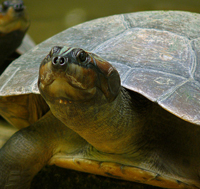
Giant South American River Turtle (Podocnemis expansa) CITES II
There is a survival crisis facing the world’s freshwater turtles due to habitat destruction and fragmentation, illegal pet trade, pollution, climate change, and exploitation for meat, oil, and eggs.
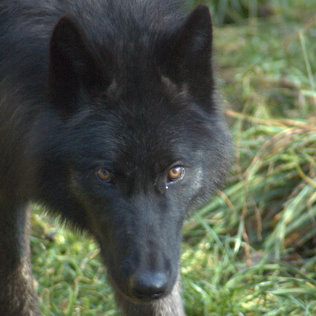
Grey Wolf (Canis lupus) variable listings depending on state; Endangered, Threatened, or delisted
Originally, the grey wolf was the world’s most widely distributed mammal. It has become extinct in much of Western Europe, Mexico, and much of the United States. Presently, their populations are listed as recovered in the Rocky Mountain and Great Lake regions, but Grey Wolves are still considered endangered in most of the lower 48 states.
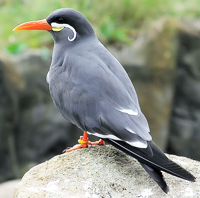
Inca Tern (Larosterna inca)
This coastal seabird is endemic to Peru and Chile and listed as near threatened due to a moderately rapid decline. Prior to the guano industry, the harvesting of bird droppings for fertilizer, which began in the 1800’s, there were millions of Incan Terns. There are currently estimated to be 150,000 remaining. The fishing of anchovies, an important food source for the birds, has been banned in Peru.
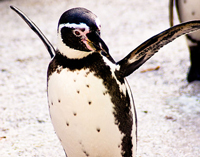
Humboldt Penguin (Spheniscus humboldti) CITES l
This species has undergone extreme population fluctuations, close to one order of magnitude at major colonies in Chile. However, an overall reduction in the number of breeding colonies indicates that there is probably an ongoing underlying rapid decline in numbers.
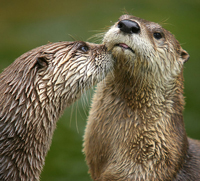
North American River Otter (Lontra canadensis) CITES ll
By the early 1900’s, river otters had declined throughout large portions of their historic range in North America. Although greatly impacted by habitat destruction and pollution, improvements to water quality and furbearer management techniques have enabled river otters to reclaim portions of their range in many areas.
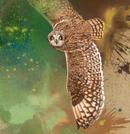
Northern Spotted Owl (Strix occidentalis caurina) Threatened, CITES ll
This species prefers old growth forest with high tree canopy and is very territorial and sensitive to habitat disturbance. The biggest threats to remaining populations are logging and habitat fragmentation, as well as fire and the fairly recent invasion of the Barred Owl, which is expanding its population west from the eastern United States.
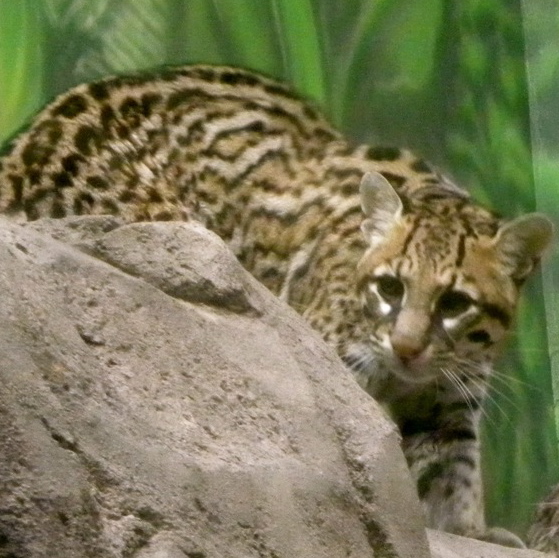
Ocelot (Leopardus pardalis mitis) Endangered, CITES l
Only a small remnant population of ocelots is found north of the Rio Grande in the United States, estimated at 80-120 animals. In Mexico it has disappeared from much of its historic range on the west coast. The population is decreasing primarily due to habitat loss and hunting. The species is protected across most of its range in the United States and Central and South America.
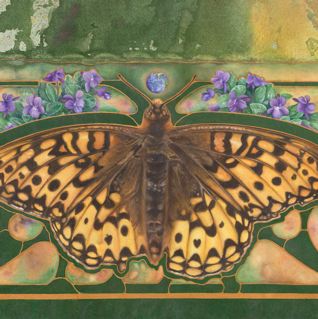
Oregon Silverspot Butterfly (Speyeria zerene hippolyta) Threatened
Declared a federally threatened species in 1980, this butterfly lives primarily in the humid coastal regions of the Pacific Northwest. Several natural and manmade factors challenge its survival. As human population growth continues, it quickly encroaches upon and affects the habitat of the Silverspot. In 1999 The Fish and Wildlife Service, the Oregon Zoo, and Lewis and Clark College began a Captive Rearing and Release Program to aid in its recovery.
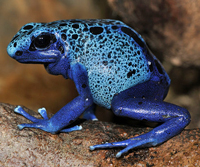
Blue Poison Dart Frog (Dendrobates tinctorius)
Found mostly in the rainforests of Central and South America, their numbers are declining due to habitat loss from logging and farming. The poison dart frog’s secretions are currently being studied for use in new medications.
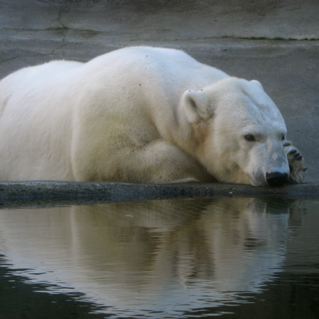
Polar Bear (Ursus maritimus) Threatened, CITES ll
Global climate change, resulting in the thinning of sea ice, poses a substantial threat to the habitat of polar bears, the world’s largest bear. They are dependant on ice for hunting seals, their main food source. Less available food impacts their ability to reproduce and reduces the number of cubs. While some scientists speculate that polar bears might become extinct within 100 years from now, a more realistic evaluation is 30 percent population reduction in the next 45 years.

According to the the IUCN (International Union for Conservation of Nature), very few realize that:
EXTINCT (EX) means that after exhaustive studies there is no reasonable doubt that the last individual in the species has died.
• EXTINCT IN THE WILD (EW) means that after exhaustive studies, the species only survives in cultivation, captivity or in naturalized population(s) well outside the past range.
CRITICALLY ENDANGERED (CR) means the species is facing an extremely high risk of extinction in the wild in the immediate future.
ENDANGERED (EN) means that the species is facing a very high risk of extinction in the wild in the near future
THREATENED or VULNERABLE (VU) means that the species is facing a high risk of extinction in the wild in the medium term future.
ENDANGERED and THREATENED are U.S. Fish and Wildlife Service status designations related to the Endangered Species Act (ESA, 1973).
APPENDIX II and I are designations of the Convention on International Trade in Endangered Species of Wild Flora and Fauna (CITES).
The Endangered species in Appendix I are considered to be in danger of extinction now.
The Threatened species in Appendix II are those that will become endangered if trade in these animals and their parts (fur, feathers, skin, tusks, horns, etc.) is not regulated.
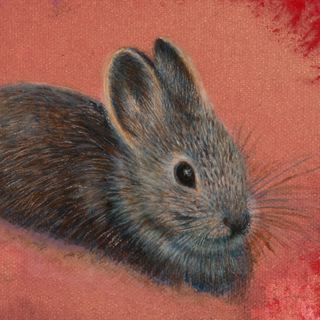
Pygmy Rabbit (Brachylagus idahoensis) Endangered, (Columbia Basin population)
During the winter months, 99% of the pygmy rabbit’s diet is sagebrush. It is the loss of the sagebrush habitat due to cattle grazing and conversion of land to farming in parts of Washington, Oregon, and Idaho, which has led to the serious decline of this species. Despite the best efforts of the Oregon Zoo, Washington State University, and NW Trek Wildlife Park, captive breeding efforts have not been very successful.
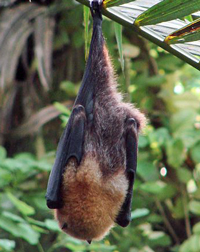
Rodrigues Flying Fox (Pteropus rodricensis) Endangered, CITES ll
Listed as critically endangered because the global population is restricted to a single location and undergoes extreme fluctuation due to tropical cyclones. Deforestation for agriculture and firewood contributes to the decline. Lack of forest cover leaves no shelter from cyclones, which have had a devastating long-term effect on the number of bats.
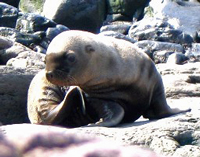
Steller’s Northern Sea Lion (Eumetopias jubatus) Threatened, part of population Endangered
Western Steller sea lion populations near Alaska have declined by 70-80% since the 1970’s. Their decline appears to be due to complex factors including overfishing and climate change, which have shifted the food chain in the area. Currently they appear to be more susceptible to contaminants, disease, and predation by orcas.
Sumatran Orangutan (Pongo pygmaeus abelii) Endangered, CITES l
The orangutan shares about 96.4% of our human DNA and is one of our closest primate relatives. There has been an estimated decline of over 80% over the last 75 years. This decline continues, as forests within the range are under major threat. Most orangutans live outside protected areas, where their habitat is subject to fire, logging, and conversion to monoculture such as palm oil plantations. Baby orangutans are also in high demand in the illegal pet trade, and capturing them requires killing their mother.
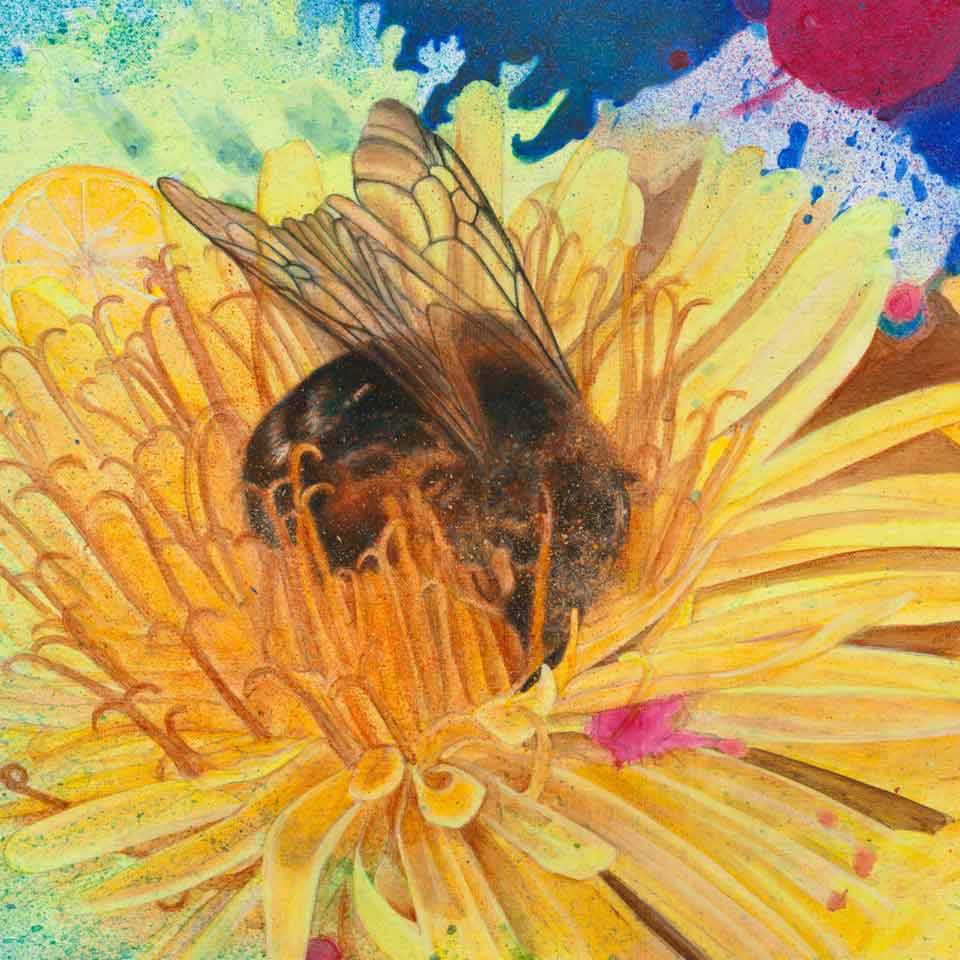
Western Bumble Bee (Bombus occidentalis)
Once very common in the western United States and western Canada, the Western Bumble Bee population has nearly disappeared from southern British Columbia to central California. This species of bumblebee has been raised commercially for use in greenhouse pollination of many food crops. The threats they face are similar to those faced by many bee populations worldwide. The major threats include spread of pests and diseases by the commercial bumblebee industry, habitat destruction or fragmentation, pesticides, introduction of invasive plants and insects, and climate change.
Visayan Warty Pig (Sus cebifrons) Critically endangered
Found in only small fragmented populations and extinct in over 95% of its former range, this species has declined because of habitat loss, hunting, and contact with domestic pig species which has resulted in hybridization and disease.
SPOTLIGHT ON HAWAI’I: POLYNESIA-MICRONESIA BIODIVERSITY HOTSPOT
Hawai'i has the tragic distinction of being designated the endangered species capital of the world, and the extinction capital of North America. Worldwide, over the last four hundred years, most of the plant and animal extinctions of the world have taken place on islands, which have a high degree of endemic species due to their isolation. Preeminent biologist Dr. Peter J. Bryant calls this unprecedented rate of species extinctions "one of the swiftest and most profound biological catastrophes in the history of the Earth." (Seacology.org)
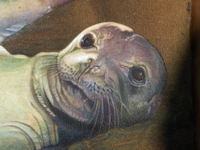
Hawaiian Monk Seal (Monachus schauinslandi) Critically Endangered – throughout its range, MMPA Depleted – throughout its range, CITES Appendix 1
The Hawaiian monk seal (in Hawaiian, ‘ilio holo I ka uaua ~ dog that runs in the rough seas) is one of the most rare marine mammals in the world, one of only two remaining monk seals. The other is the Mediterranean monk seal. The third, the Caribbean monk seal, is extinct. Because of their unique evolutionary lineage due to 15 million years of isolation, they are considered “living fossils”. They live entirely within the U.S., with the majority in six breeding subpopulations in the Northwestern Hawaiian Islands. They were hunted to near extinction in the late 19th century and are currently declining at a rate of 4% due to limited food resources, entanglement in marine debris, human interactions, loss of pupping beaches, disease, male aggression and low genetic diversity.
Representing the shallow ocean ecosystems and all endangered coastal organisms:
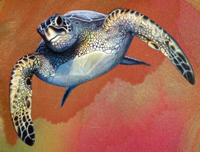
Hawaiian Green Sea Turtle (Chelonia mydas) Endangered
A valuable source of food, tools and ornamentation for the Hawaiians of old, the three species of native sea turtles (the Green, Hawksbill and Leatherback) were hunted in great numbers throughout the 19th and 20th centuries. Sea turtles have been in the oceans for 100 million years, longer than some dinosaurs. Centuries ago, there were millions of sea turtles. Now all seven species worldwide are endangered or threatened. Sea turtles are indicators of the health of marine ecosystems. Placed on a list of threatened species in 1978, the population is thought to be below both pre-World War II and pre-contact levels. Hawaii's green sea turtles have recovered in recent years, although they are still plagued with a papilloma virus that causes disfiguring tumors. Hawksbill sea turtles are sighted much less frequently.
Representing the deep ocean/high seas ecosystems and all endangered cetaceans:
Humpback Whale (megaptera novaeangliae: “big winged New Englander” for their long pectoral fins, up to 15” in length) Endangered throughout its range. MMPA ~ depleted throughout its range.)
In the summer, humpbacks spend their time feeding in the Gulf of Maine (Atlantic) and the Gulf of Alaska (Pacific). Their very long seasonal migration takes them to winter in calving grounds in tropical and subtropical waters. Due to international protection from commercial whaling, the humpback and the northern right whales are making a comeback and have moved from vulnerable to least concern, indicating a low risk of extinction. Overall nearly a quarter of all cetaceans are threatened; nine are Endangered or Critically Endangered.
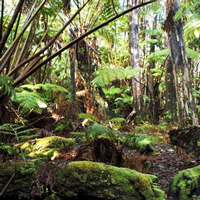
Hawaiian Tropical Rain Forests
Hawai’i’s moist, broadleaf rainforest ecosystems cover a total of 2,600 square miles on windward lowland areas and upland slopes. Hawai’i’s isolation over 70 million years has resulted in immense biodiversity of endemic species of trees, fungi, mosses, plants, including vines, shrubs, orchids, ferns; birds and snails. The forest canopy is dominated by the Koa (Acacia koa) and ‘ohi’a Lihue (Metrosideros polymorpha), beloved by the people of Hawai’i.
Hope is believing in spite of the evidence.
–Michael Toms, Founder, New Dimensions Internet Radio
An International Traveling Exhibition of Endangered Species
Dedicated to the Children of the World by Calley O'Neill with Rama the Elephant
RAMA: AMBASSADOR FOR THE ENDANGERED ONES
Artists Speaking Passionately on Behalf of Those who Cannot Speak


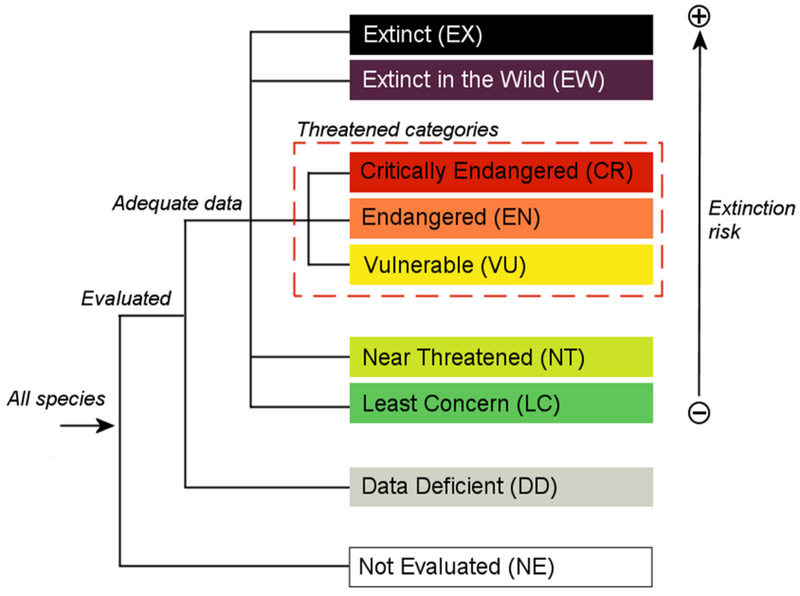
IUCN CONSERVATION STATUS
