



Jeb is a zookeeper. He loves his job!

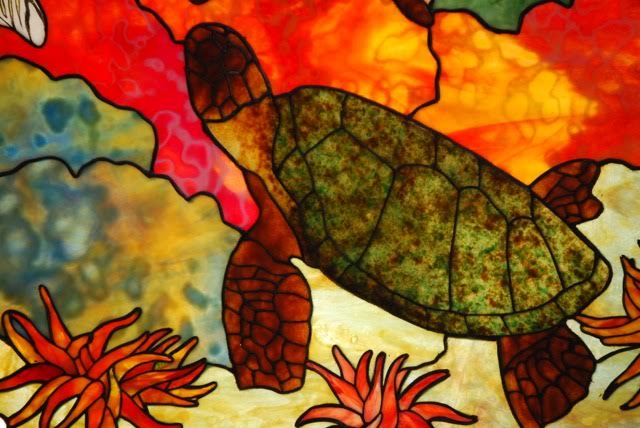
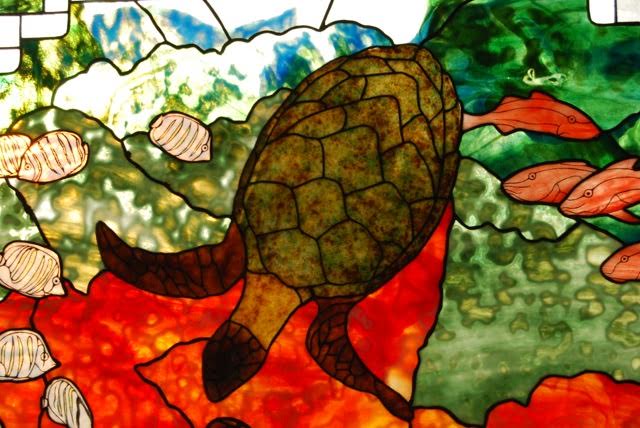
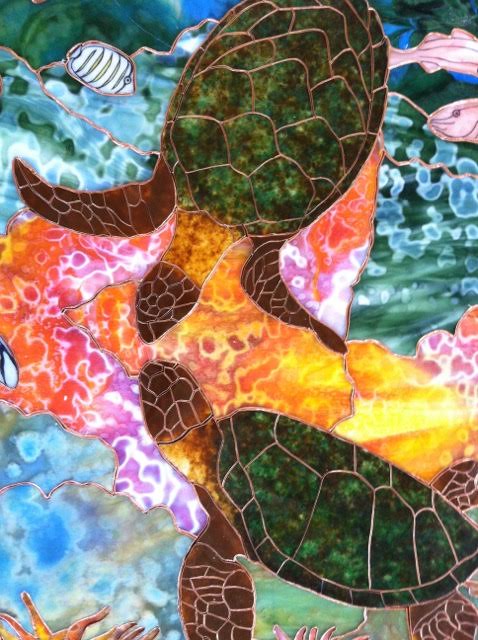
THE GROTTO OF HOPE
WORLD'S FIRST BIODIVERSITY STAINED GLASS CHAPEL
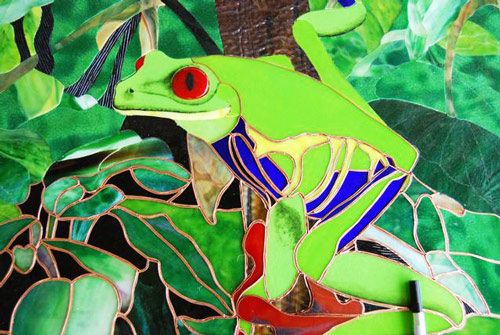
THE EXPERIENCE: People often enter art exhibitions in the same busy state of mind and the same bustling speed in which they live their everyday lives. This is why THE GROTTO OF HOPE is the most important chamber in THE RAMA EXHIBITION. Imagine instead, silently entering a beautiful biodiversity stained glass chapel that stops your world.
In the center there is a large Earth prayer wheel reflected in water to spin with prayers for all living creatures.
A bioacoustical soundscape of nature, a heartbeat rhythm, and distant tribal drumming entrain your heart, body, and mind to stop…sit, and relax. It feels good to pause and release the day’s thoughts. A voice guides you within through a bird’s eye view into a spacious awareness you will never forget. Welcome to the harmony of ubuntu...your innate love of life, Biophilia.
Throughout time and place, people have known and relied on this inner peace for all intuition, all healing, and all wisdom comes from this place.
The ancient South African principle, ubuntu, is the essence of being human. I am what I am because of who we all are. I am because you are. ubuntu is feeling that we are connected to everything. The trees are no less your lungs than your own upside down lung trees. Turning within your own body with a caring awareness and journeying into the natural world, you suddenly, subtly realize that everything you do affects the whole world.
In Hawai’i this is Lokahi ~ the oneness of humankind, nature, and the Infinite. This way has been lived by indigenous peoples throughout time. In Costa Rica, it’s Pura Vida, the goodness of life.
Deeply breathing now, you become that which you want to be ~ a peaceful, positive presence in your own body. This turns on your body’s natural relaxation and healing responses. This experience takes you inside in a way that is immediately beneficial. It takes you to a place you will never forget.
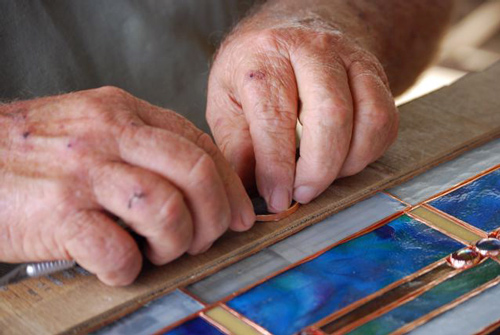
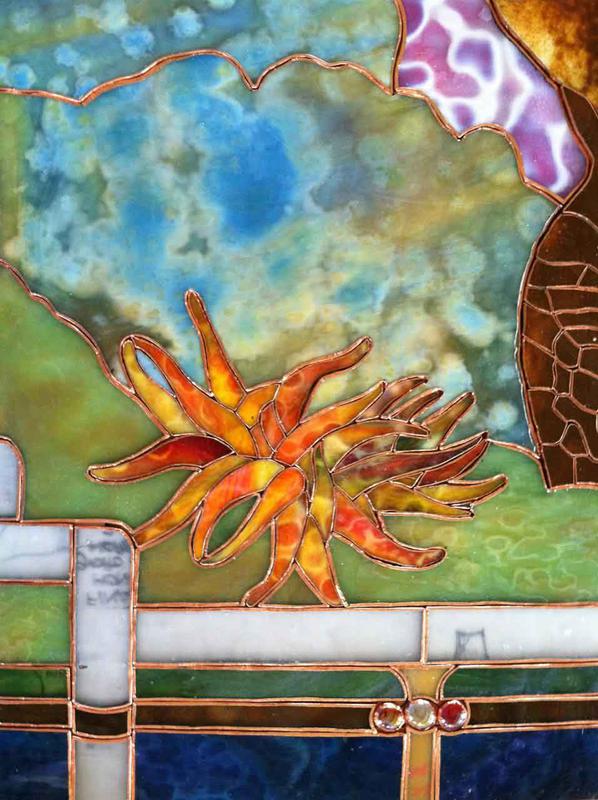
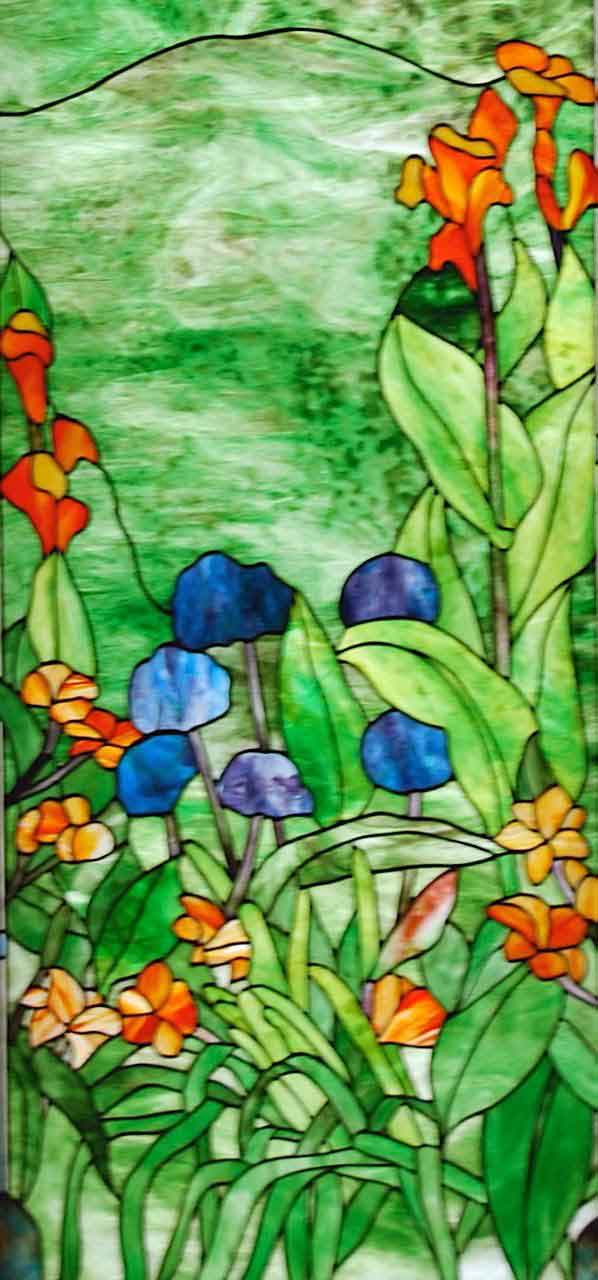
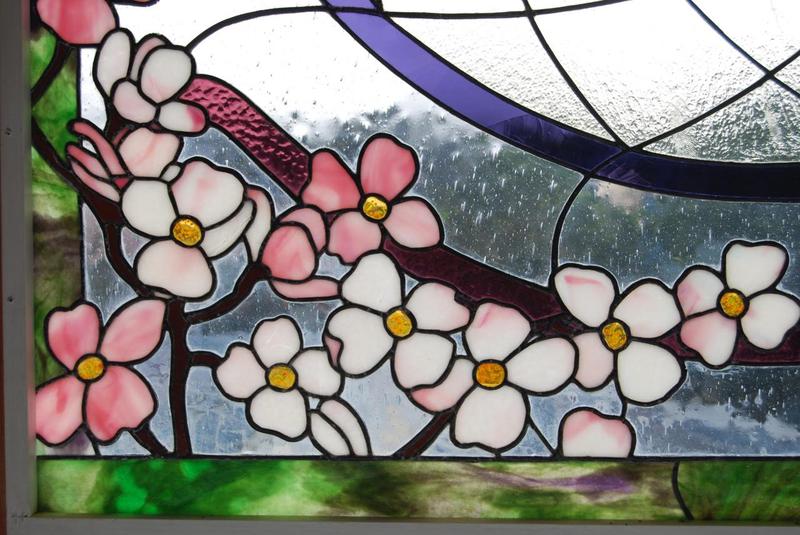
THE CHAPEL: When we feel connected to life, we are peaceful, content, and happy. Light shining through stained glass has been used since antiquity to evoke this connection, stirring the soul to awaken. Thornton Wilder said, “We feel most alive when our hearts are conscious of our treasures.”
Click to magnify
Click to magnify
 | ||||
An International Traveling Exhibition of Endangered Species
Dedicated to the Children of the World by Calley O'Neill with Rama the Elephant

AN EPIC JOURNEY OF ART AND SOUL FOR THE EARTH
RAMA: AMBASSADOR FOR THE ENDANGERED ONES
Speaking Passionately on Behalf of Those who Cannot Speak

No problem can be solved from the same level of consciousness that created it.
-- Albert Einstein
THE TREASURES:
Unless humanity learns a great deal more about global biodiversity and moves quickly to protect it, we will soon lose most of the species composing life on Earth.
- E.O. Wilson
The question is, what is biodiversity and why is it so important? Biodiversity is the 5 to 30 million or more species that allow us to thrive on Earth, the fullness of life on Earth. This variety of life is our irreplaceable living heritage. It is the foundation for health, balance, and resilience in every living system ~ the web of life upon which we sustain our lives, economic growth, our opportunities and our children. This complex diversity creates a stability we can barely comprehend. The richness of information in each one of these species is a library...of unlimited value to the future of the human species (Conservation International). Biological diversity is the future of our species.
Whether it’s called Care of the Creation or conservation, all religions and cultures charge people with protecting and preserving life.
The World Wildlife Fund (WWF) released its ‘Living Planet Report 2016: Risk and resilience in a new era,’ which finds that global populations of amphibians, birds, fish, mammals and reptiles declined in abundance by 58% between 1970 to 2012. These declines include: 81% declines in freshwater populations; 38% declines in terrestrial species; and 36% declines in marine populations. The report identifies habitat degradation and loss as the most common threat to terrestrial and freshwater species, as overexploitation is to marine species. The report calls for actions to reform food and energy systems and meet global commitments on protecting biodiversity, addressing climate change and implementing sustainable development to avoid a two-thirds decline in species populations by 2020.
BIODIVERSITY HOTSPOTS: While it is vitally important to nurture biodiversity where we live filled with a wide variety of native plants, herbs, flowers, vegetables, trees and shrubs to street plantings, there are some highly diverse treasure troves on Earth. Conservation International has established two strict criteria for the 34 terrestrial biodiversity hotspots, which are constantly reassessed. The ecoregion must harbor at least 1,500 species (.5% of the world’s total) of endemic plants (not found anywhere else on Earth) and have lost at 70% or more of its original habitat. Most of these threatened areas are tropical, impoverished, densely populated, and fast growing. It is vitally important to understand that maintaining healthy, diverse ecosystems is essential in order to eliminate extreme poverty and sustain a good life for people. Through global and local partnerships, citizens can contribute to biodiversity conservation, enlarge protected areas and improve their lives by using their abundant labor resources and local knowledge.
Saving the biodiversity hotspots will be the single best investment humanity can make, yet few are familiar with these treasures and their importance. It’s time to change that.
HIGH BIODIVERSITY WILDERNESS AREAS: The Earth’s treasure troves include the hotspots and five wilderness areas. In contrast to the hotspots, each of the five high-biodiversity international wilderness areas holds more than 1,500 endemic species, is sparsely populated and has remained largely intact, retaining more than 70% of the original vegetation. Together, Amazonia, the Congo Forests of Central Africa, New Guinea, the North American deserts, the Miombo-Mopane Woodlands and Savannas of Southern Africa nourish more than 17% of the flora and 8% of the vertebrate fauna on Earth.
Keystone species are those flora and fauna that play a critical role in maintaining the health and balance of their ecosystems, disproportionate to their relative population and biomass. If a keystone species disappears, dramatic changes result. Understanding the ecological impact of keystone species will help us protect biological variety and sustain balance in the natural world. Foundation species are the dominant producers in an ecosystem, in terms of abundance and influence. Flagship species are species that have been chosen, by virtue of their magnetic nature, to represent and catalyze support for conserving species and ecosystems.
WATER IS LIFE: In Hawai’i, the word for water is wai. The word for wealth is water twice, waiwai. Native people honor water as sacred. Water is life. The chapel’s water element symbolizes the Earth’s fresh water. 97.5% of all water on Earth is salt water, with just 2.5% fresh water. Almost 70% of that is frozen in melting ice caps in Antarctica and Greenland. Most of the rest is locked up in soil moisture or deep ground water. Less than 1% (0.007% of the Earth’s waters) of the world’s fresh water is accessible for human use, and is only replenished by rain and snowfall. (University of Michigan)
According to the International Union for Conservation of Nature (IUCN) freshwater ecosystems have lost more species and habitat than terrestrial or ocean ecosystems, with 34% of fish species in danger of extinction. A variety of threats including dams, channelization, over fishing, pollution, excessive, wasteful irrigation and climate change further endanger freshwater habitats. While most people live near water, and we all depend on fresh water for drinking, agriculture and employment, billions of people lack adequate fresh, clean water. There are ingenious practical solutions at hand ~ awareness, conservation, reforestation, renewable energy systems, water catchment and re-use, and local watershed protection. In short, loving life. Love life.
As we enter into this millennium, the time has come for the world to recognize that the geography and solutions of global poverty align closely with those of the biodiversity hotspots. Only by tackling these two agendas together will we truly be able to end poverty and conserve life on Earth. (Peter Seligmann, Chairman and CEO, Conservation International)
Only we can choose to do this. Let’s do this!
In the end we will conserve only what we love. We will love only what we understand. We will understand only what we are taught.
– Baba Dioum
THE GROTTO OF HOPE BIODIVERSITY CHAPEL:
PRESERVING HALF THE EARTH AND HALF THE OCEAN TO PRESERVE LIFE ON EARTH
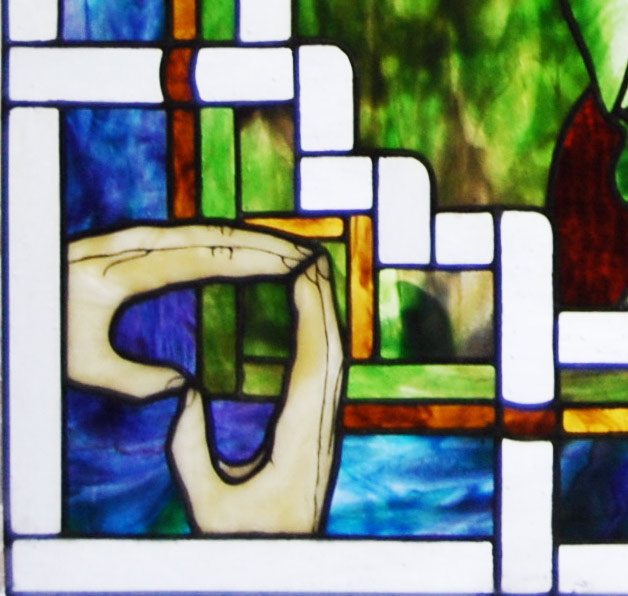
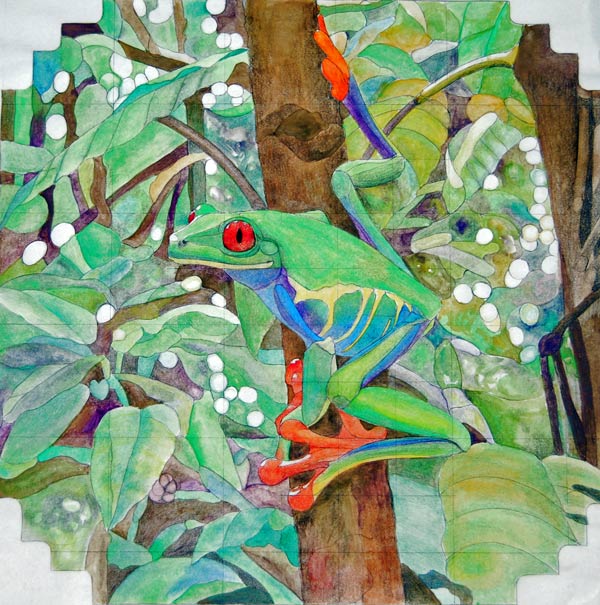
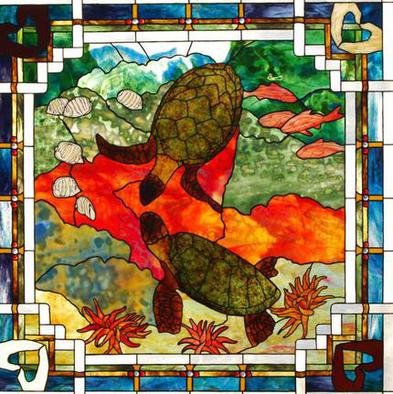
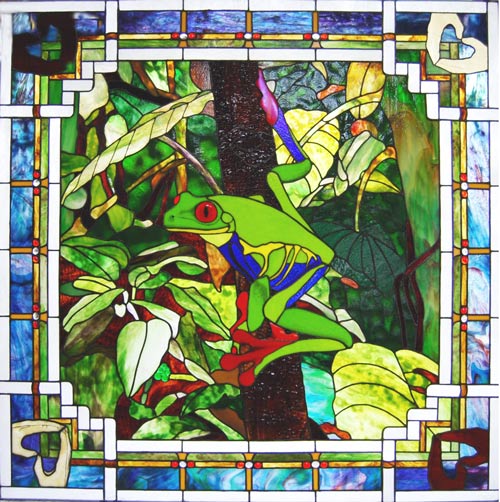
The chapel will have 36 illuminated stained glass windows (42” square) featuring an endangered species from each of the Earth’s 34 terrestrial biodiversity hot spots: and two for the ocean, depth and reef. More than half of the Earth’s plant species, a third of all mammals, birds, reptiles and amphibians live on less than 2.3% of the Earth’s surface. The life forms include spectacular flora, birds, fish, reptiles, amphibians, and mammals.
Native trees in handcrafted baskets with softly lit LED candles stand in between the twelve vertical panels of three windows each.
A central stained glass skylight of the Sun, Moon, and Earth illuminates the large Earth Prayer Wheel below honoring the five high-biodiversity wilderness areas. The chapel also pays tribute to the wildlife photographers who have brought wild nature home to us.
Most importantly, it provides a window to step out of thinking and recharge through opening your senses, quieting your mind, and deepening ecological connection. This pause will be rekindled throughout the exhibition. Pausing frequently is the most important thing you can do to access inner peace and understanding. Quieting the incessant conversation in your head provides relief and space for important ideas to drop down into your view, where they can be cultivated into life energy and meaningful action. The key is this ~ only in peace can we reach for higher wisdom, and realize that healing ourselves is the same as healing the world. We realize that our thoughts really matter.
